Chicken noodle and wild rice soup lands in that sweet spot between comforting and substantial. The broth turns creamy and golden, the wild rice stays pleasantly chewy, and the egg noodles give you that familiar chicken noodle feel without letting the soup turn thin or bland. It eats like a full meal, not just a starter, and it’s the kind of pot that quietly disappears by the second day.
What makes this version work is the order. The chicken and wild rice need time together in the broth so the rice can soften without going mushy, and the vegetables get enough heat to turn sweet instead of staying raw-tasting. The roux goes in later, after it’s cooked separately, so the soup thickens without getting floury or lumpy.
Below, I’ve included the timing that matters most, the one place people usually rush and regret it, and a few swaps that still keep the soup hearty and balanced.
The broth thickened up beautifully and the wild rice stayed chewy instead of falling apart. I made it on Sunday and my husband asked for it again two nights later, which never happens with soup in our house.
Save this chicken noodle and wild rice soup for the nights when you want a creamy, one-pot dinner with real staying power.
The Reason the Wild Rice Goes in Before the Noodles
Wild rice takes longer than egg noodles, and that’s the trap. If you add the noodles too early, they soften and break apart while the rice is still trying to turn tender, which leaves you with mush instead of soup. Cooking the rice with the vegetables and broth first gives it the head start it needs, and the noodles only go in at the end, when they need just a few minutes to cook through.
The other thing that matters is the simmer. A hard boil can split the cream later and shred the chicken before it has a chance to stay juicy. Keep the pot at a steady, gentle bubble. That gives the rice time to open up, the vegetables time to soften, and the broth time to pick up body before the cream goes in.
What Each Ingredient Is Actually Doing in This Soup
- Chicken breast — It stays tender when it simmers gently in the broth and shreds cleanly for a soup that feels hearty without being heavy. Chicken thighs work too if you want a deeper, richer flavor, and they’re more forgiving if the soup sits a little longer before serving.
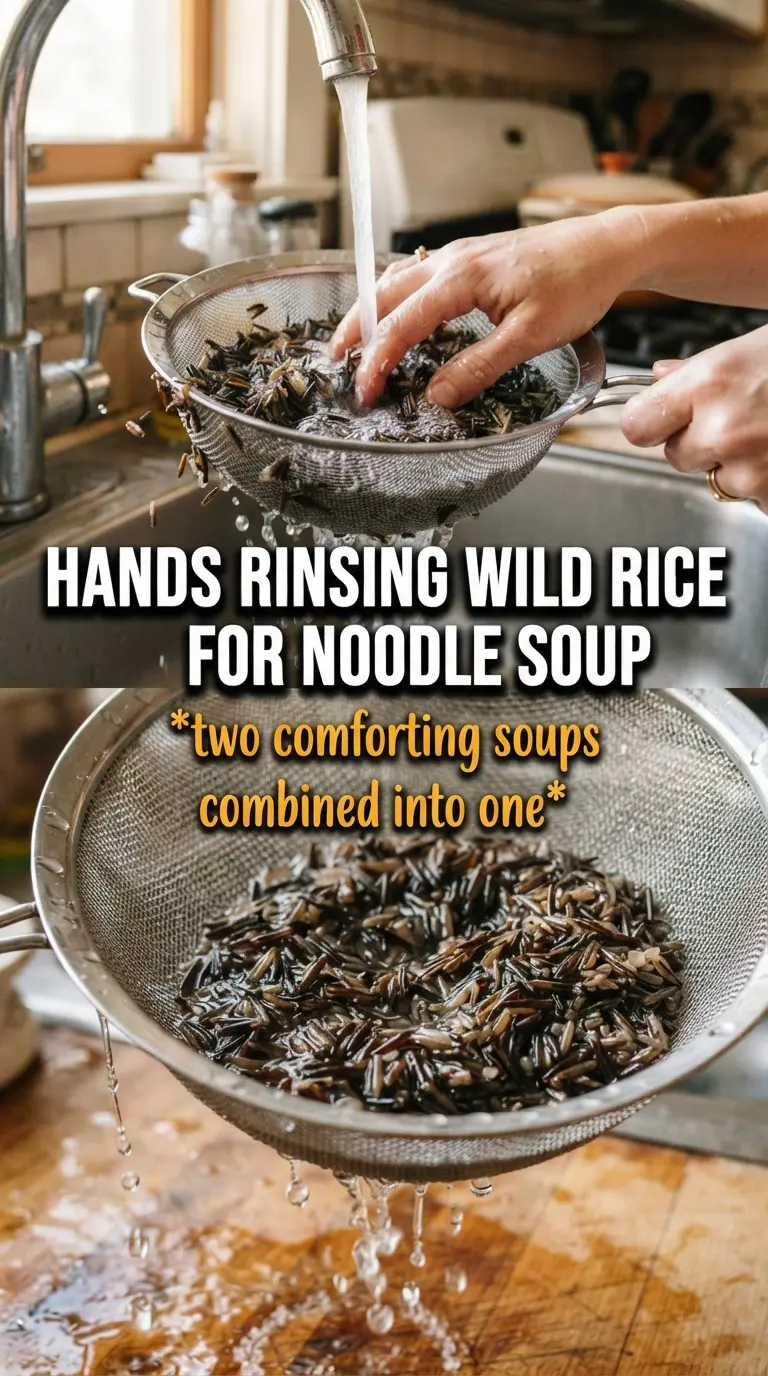
- Wild rice blend — This is what gives the soup its chew and makes it feel more substantial than a standard chicken noodle soup. A blend cooks more evenly than straight wild rice and keeps the texture balanced; if you use plain wild rice, expect a longer simmer and a firmer bite.
- Carrots, celery, onion, and garlic — They build the base of the broth and keep the soup from tasting flat. Cut the carrots and celery into even slices so they soften at the same pace; tiny dice turn to mush, and huge chunks stay awkwardly firm.
- Heavy cream — This gives the broth its silkiness and softens the edges of the herbs and broth. Half-and-half will work in a pinch, but the soup will be thinner and a little less rich.
- Butter and flour — These make the roux that thickens the soup without a chalky flour taste. Cook the flour for at least a minute so it loses that raw edge, then whisk in hot broth before it goes back into the pot.
- Egg noodles — They finish the soup with that familiar chicken noodle texture. Add them only at the end, because they keep absorbing liquid after the heat is off and can turn soft fast.
Building the Soup Without Ending Up With Mushy Noodles
Starting the Pot with the Longest-Cooking Ingredients
Combine the chicken, wild rice, carrots, celery, onion, garlic, broth, thyme, and parsley in the pot and bring it to a gentle simmer. You want small bubbles moving around the edges, not a rolling boil. That steady heat lets the rice cook through and keeps the chicken from tightening up and drying out. If the broth starts boiling hard, lower the heat right away.
Pulling the Chicken at the Right Moment
After about 30 minutes, check the chicken. It should be cooked through and easy to shred, and the wild rice should be close to tender with just a little bite left in the center. Pull the chicken out now so it doesn’t overcook while the soup finishes. Shred it while it’s still warm, then return it to the pot so it can soak up the broth again.
Thickening the Broth Without Lumps
Melt the butter in a small pan, whisk in the flour, and cook it for 1 to 2 minutes until it smells a little nutty and looks smooth, not pasty. Whisk in about a cup of hot broth slowly until the mixture turns silky, then stir that back into the soup. If you dump the liquid in all at once, the roux can seize and leave you with little floury bits floating around.
Finishing with Cream and Noodles
Stir in the heavy cream, then add the egg noodles and cook just until they’re tender. The soup should thicken slightly and look glossy, with the noodles floating instead of clumping together. Season at the end with salt and pepper, because broth brands vary a lot and the cream softens the seasoning more than people expect.
How to Change This Soup Without Losing Its Cozy, Hearty Texture
Use chicken thighs for a richer soup
Swap the chicken breast for boneless skinless thighs if you want deeper flavor and a softer shred. Thighs hold up better during simmering, and the broth will taste a little rounder and more savory. The soup ends up just as creamy, but with a meatier finish.
Make it dairy-free without losing body
Use olive oil instead of butter, then thicken with a cornstarch slurry instead of a roux. Replace the cream with full-fat coconut milk or an unsweetened oat-based cream for a softer, lighter broth. The texture changes a little, but the soup still finishes with enough body to feel satisfying.
Skip the noodles for a gluten-free bowl
Leave out the egg noodles and use a certified gluten-free thickener, plus extra wild rice or a handful of cooked rice for more substance. The soup stays naturally hearty, and you avoid the risk of gluten-free noodles turning brittle or falling apart in the broth.
Stretch it for a bigger batch
Add extra broth and another handful of noodles if you need the pot to feed more people, but hold back some noodles if you plan on leftovers. They keep drinking up liquid as they sit, and too many noodles can turn the soup into a starchy stew by the next day.
Storage and Reheating
- Refrigerator: Store in an airtight container for up to 4 days. The noodles will keep absorbing broth, so expect the soup to thicken as it sits.
- Freezer: It freezes, but the noodles soften after thawing. For the best texture, freeze the soup before adding noodles, then cook fresh noodles when you reheat it.
- Reheating: Warm it gently over medium-low heat on the stove with a splash of broth or water. High heat can overcook the noodles and make the cream separate at the edges.
Answers to the Questions Worth Asking
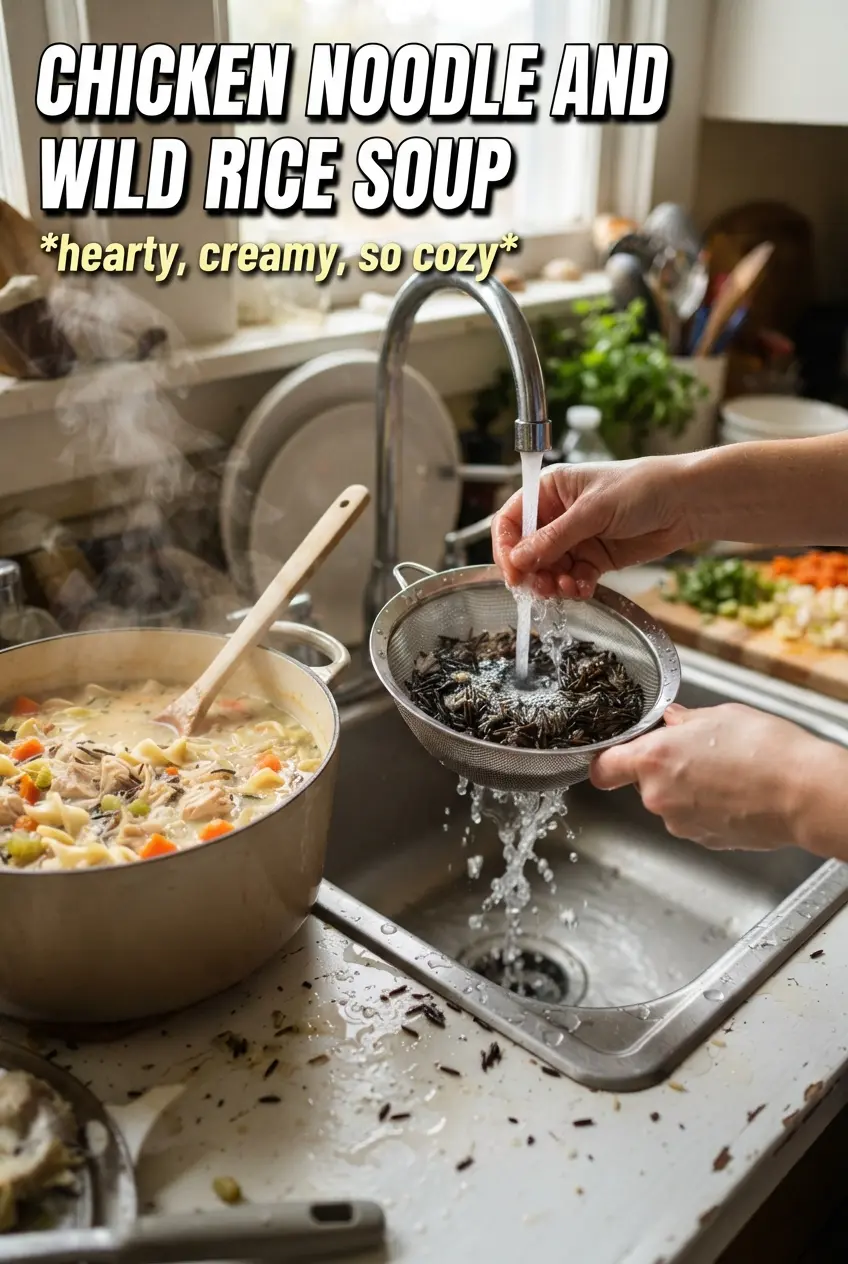
Chicken Noodle And Wild Rice Soup
Ingredients
Equipment
Method
- In a Dutch oven, combine chicken breast, wild rice blend, chicken broth, carrots, celery, onion, garlic, dried thyme, and dried parsley. Simmer over medium heat for 30 minutes until the wild rice is nearly tender, stirring occasionally and keeping the liquid at a steady bubble.
- Remove the chicken from the pot and shred it with a fork. Return the shredded chicken to the pot so it can finish heating through.
- In a separate small cast iron skillet, melt the butter over medium heat. Whisk in the flour and cook for 1-2 minutes, then whisk in 1 cup of the hot broth until smooth and glossy.
- Stir the roux into the soup until evenly blended. Simmer briefly as needed to remove any lumps, keeping the broth smooth.
- Pour in the heavy cream and stir to combine. Bring back to a gentle simmer and add the egg noodles, cooking 6-8 minutes until tender.
- Season with salt and pepper to taste. Taste the broth and adjust seasoning for a balanced flavor.