Deeply savory broth, tender shredded chicken, and noodles that still have a little bite make this Instant Pot chicken noodle soup the kind of dinner that gets repeated without much discussion. The pressure cooker does the heavy lifting here, pulling flavor from raw chicken, carrots, celery, onion, and garlic in a fraction of the time it takes on the stove. What you get is a broth that tastes slow-cooked, even though it’s on the table fast.
The key is building everything in the pot together before pressure cooking, then adding the noodles only after the chicken is shredded. That keeps the noodles from going soft and cloudy in the pressure cooker, and it keeps the chicken from drying out while the pasta cooks. A short natural release helps the broth calm down before you open the lid, which gives you a cleaner, less splattery finish.
Below, I’ve included the timing that matters, the ingredient swaps that still keep the soup tasting balanced, and the storage note that helps if you want to stretch this into lunch for the next day.
The broth came out rich and clear, and the noodles stayed tender instead of falling apart. I loved that the chicken shredded easily after the pressure cook, and it tasted like it had been simmering all afternoon.
Save this Instant Pot Chicken Noodle Soup for a fast, brothy dinner with tender chicken and noodles that stay just right.
The Trick to Keeping the Noodles From Turning Mushy in the Pressure Cooker
The fastest way to ruin chicken noodle soup in the Instant Pot is to pressure cook the noodles with everything else. Egg noodles soak up liquid quickly, and under pressure they go from tender to blown out fast. Cooking them after the chicken is shredded gives you control over the texture and keeps the broth from turning starchy and heavy.
The other thing that matters is the short natural release. It gives the broth a chance to settle and keeps hot liquid from spraying out the second you open the lid. That pause also helps the chicken stay juicy, since the meat finishes gently instead of getting hit with an immediate blast of pressure loss.
- Raw chicken breast — Using raw chicken breast lets the soup build flavor in the broth as it cooks. Boneless thighs work too if you want a richer, more forgiving texture, but they’ll make the soup a little heavier.
- Carrots, celery, onion, and garlic — This is the classic soup base, and it matters here because pressure cooking softens the vegetables without dissolving them. Dice the onion and slice the carrots and celery evenly so everything finishes at the same pace.
- Chicken broth — Use broth you’d actually drink on its own, because it’s the body of the soup. If yours is low-sodium, that’s a good thing; it gives you room to season at the end without overshooting.
- Egg noodles — Add them after pressure cooking. If you use a different pasta, choose one that cooks in under 10 minutes, because longer-cooking shapes tend to turn bloated and soft by the time the soup is done.
Building the Broth Before the Noodles Go In
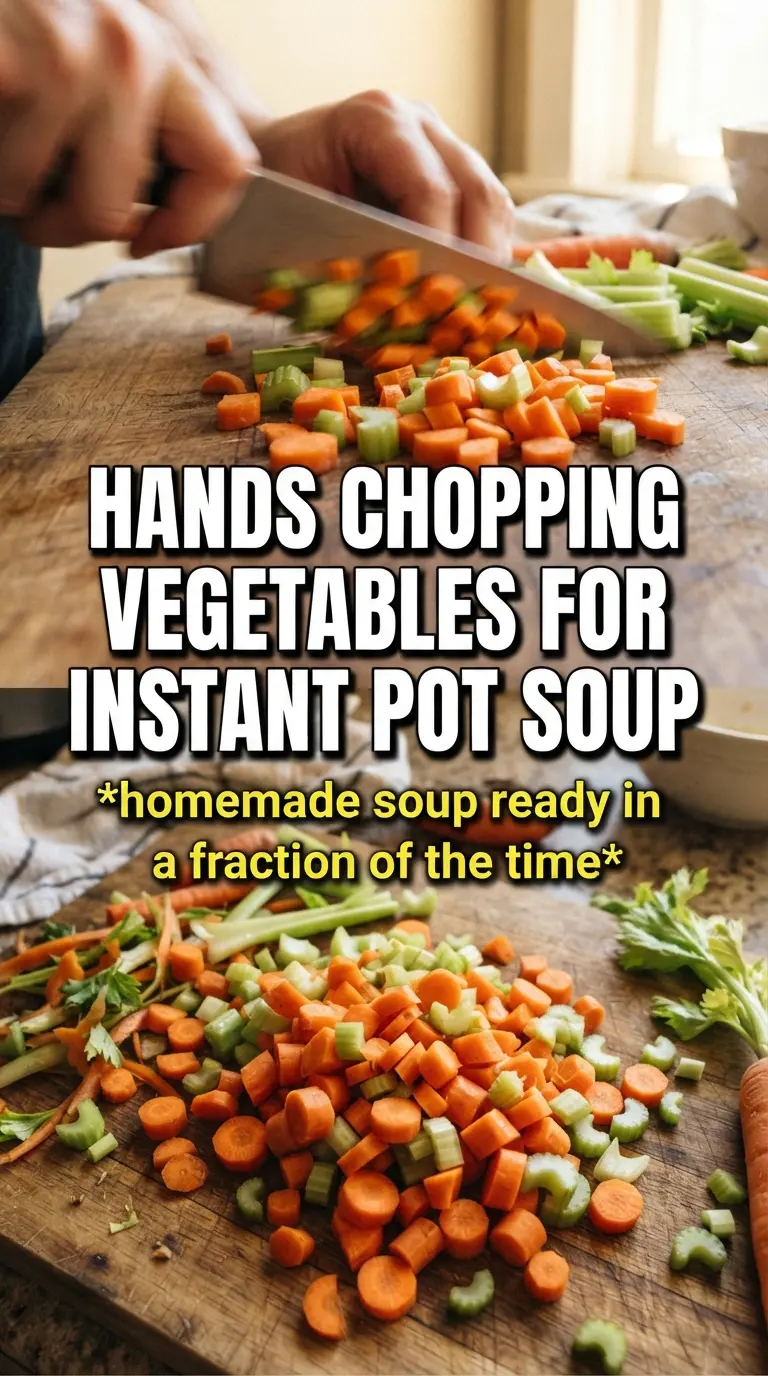
Add the raw chicken, vegetables, broth, thyme, parsley, garlic powder, and bay leaves straight to the Instant Pot. The chicken does not need to be browned first for this recipe; the pressure cooker will extract plenty of flavor from the broth and aromatics without adding extra steps. Seal the lid and cook on High Pressure for 15 minutes. If your chicken breasts are very large, the timing still works because the broth-based cook is forgiving, but cutting the chicken before cooking can make the meat stringier.
Pressure Cooking and Natural Release
When the time is up, let the pot sit for 5 minutes before you quick release the rest. That short pause keeps the broth from erupting out of the valve and gives the chicken a little time to relax, which makes shredding easier. Remove the chicken and bay leaves right away. If you leave the bay leaves in too long, they can overpower the soup with a sharp, woody edge.
Shredding and Finishing With Noodles
Shred the chicken on a cutting board or with two forks, then return it to the pot. Switch to Sauté and stir in the egg noodles. Cook them for 6 to 8 minutes, stirring often, until they’re tender but not broken apart. The soup will thicken slightly as the noodles release starch, so stop cooking when they still have a little resistance in the center.
Seasoning at the End
Taste before you add salt. Store-bought broth can swing from flat to already salty depending on the brand, and the noodles will dilute the broth a bit as they cook. Finish with black pepper and fresh parsley so the soup tastes bright instead of muted.
What to Change When You Want a Different Bowl of Soup
Use chicken thighs for a richer broth
Boneless, skinless thighs give you a more savory, fuller-tasting soup and stay very tender after pressure cooking. The texture is a little less lean than breast meat, but the payoff is a broth with more body.
Make it gluten-free with rice noodles
Use gluten-free rice noodles after pressure cooking, then watch them closely on Sauté because they soften fast. They won’t give you the same chewy bite as egg noodles, but they work well if you want a lighter bowl without wheat.
Add extra vegetables without changing the method
Mushrooms, peas, or chopped spinach can all go in near the end. Mushrooms need a little more time to soften, peas only need a minute, and spinach should be stirred in off heat so it keeps its color instead of turning drab.
Store the noodles separately if you want leftovers to stay clean
If you know you’ll have leftovers, cook the noodles separately and add them to each bowl when serving. That keeps them from soaking up too much broth overnight, which is the main reason leftover soup can turn thick and soft by day two.
Storage and Reheating
- Refrigerator: Store in an airtight container for up to 4 days. The noodles will continue to absorb broth, so the soup gets thicker as it sits.
- Freezer: Freeze the broth and chicken without the noodles for best results. Cooked noodles turn soft after freezing and thawing, so add fresh noodles when you reheat.
- Reheating: Warm gently on the stove or in the microwave until steaming. Add a splash of broth or water if it’s thickened up, because the noodles and vegetables will keep soaking up liquid while it sits.
Answers to the Questions Worth Asking
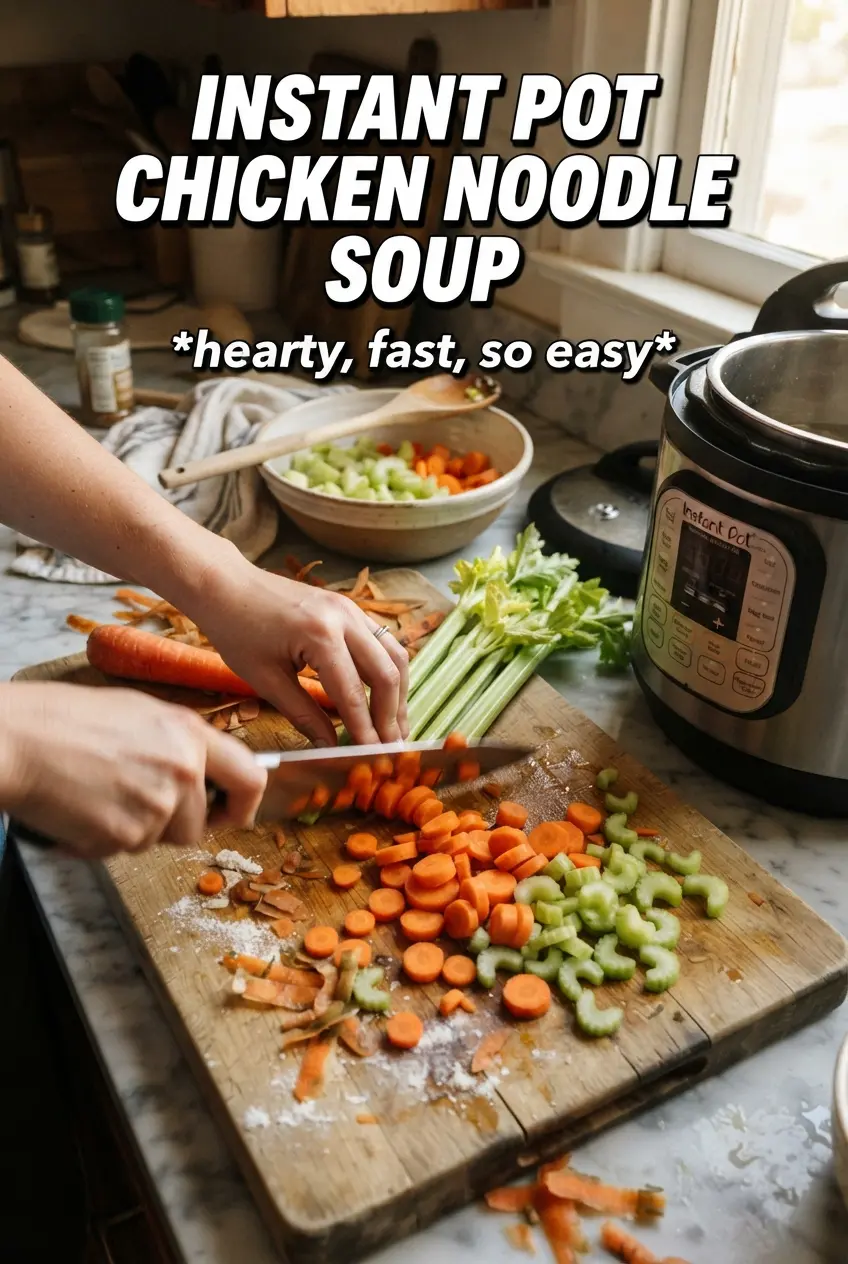
Instant Pot Chicken Noodle Soup
Ingredients
Equipment
Method
- Add the raw chicken, carrots, celery, onion, garlic, chicken broth, dried thyme, dried parsley, garlic powder, and bay leaves to the Instant Pot. Spread ingredients evenly so they cook uniformly.
- Seal the lid and pressure cook on High for 15 minutes. When the time ends, allow a natural release for 5 minutes, then quick release.
- Remove the chicken, shred it, and return it to the pot after removing the bay leaves. Use this time to pull meat into bite-size pieces.
- Set the Instant Pot to Sauté and return the shredded chicken to the pot. Stir to combine and heat the broth thoroughly.
- Add the egg noodles and cook on Sauté for 6-8 minutes until tender, stirring often. Watch for the noodles to soften but still hold their shape.
- Season with salt and pepper to taste, then garnish with fresh parsley. Serve hot while the noodles are at their best texture.