The potatoes are the part of a breakfast hash that can go wrong in a hurry: leave them covered too long and they turn soft, but rush straight to browning and the centers stay firm. I use a little water to cook them through first, then uncover the skillet and let the moisture cook away. That two-stage start gives this Bean Potato and Veggie Breakfast Hash tender centers and browned edges without juggling another pot.
Once the potatoes are fork-tender, they get a few minutes on their own to brown before the vegetables go into the same skillet. That order keeps the zucchini and peppers from crowding the potatoes while they crisp, and it lets the onion and garlic build their own savory base. Pinto beans and a warm touch of smoked paprika make the finished hash hearty, colorful, and satisfying straight from the pan.
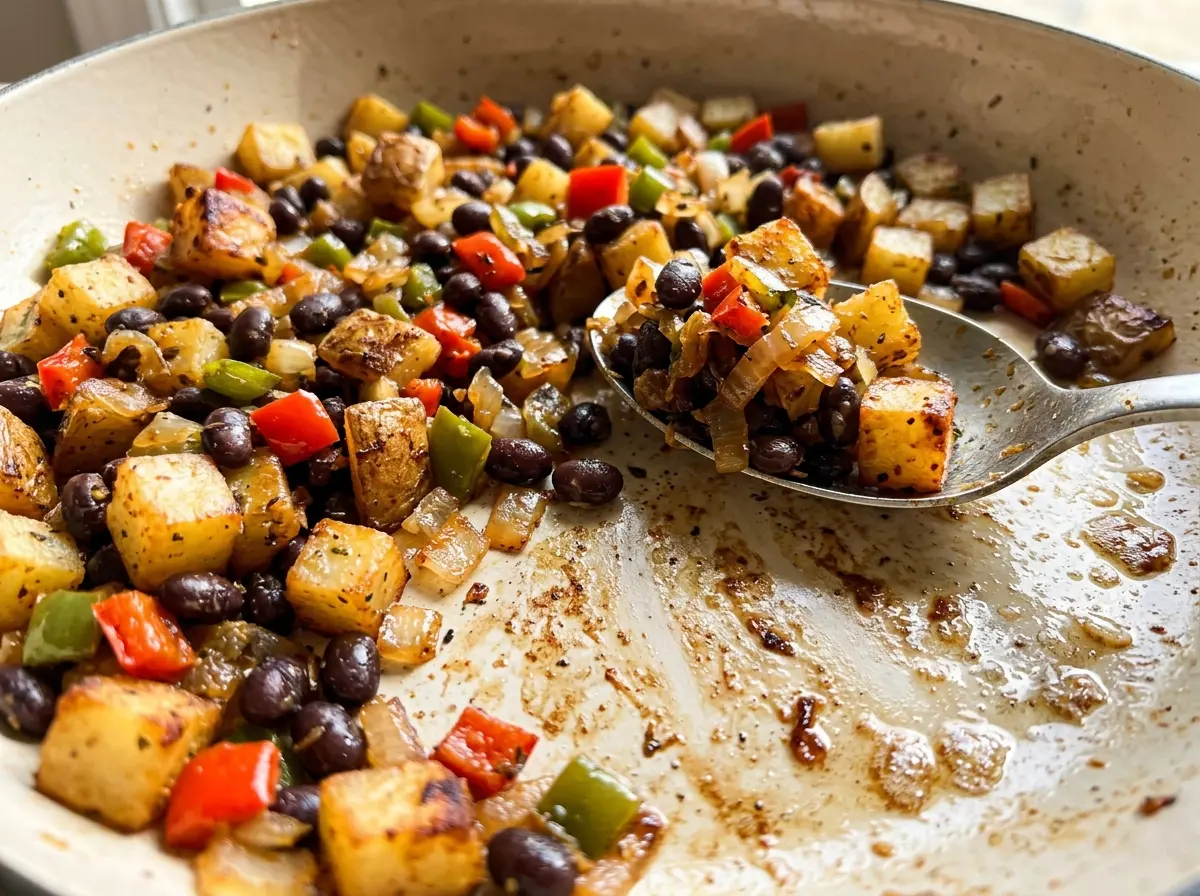
Kitchen Note
Cut the potatoes into even half-inch pieces so they cook at the same pace. A few oversized chunks can still feel firm when the smaller pieces are already tender.
Save this Bean Potato and Veggie Breakfast Hash for a hearty skillet meal with golden potatoes, tender vegetables, and smoky pinto beans.
Why the Potatoes Brown Better Before the Vegetables Join In
Potatoes need a little head start here because they’re the slowest ingredient to cook through. The covered stage lets the water create steam around the cubes, softening their centers before the skillet has to do the browning. After you uncover the pan, the remaining moisture needs time to evaporate; if the potatoes are still sitting in water, they’ll steam instead of picking up color.
Moving the browned potatoes to a plate gives them a break while the vegetables soften in the same skillet. The onion, bell pepper, and zucchini release moisture as they cook, so adding them after the potatoes have browned keeps that moisture from getting between the potato pieces too early. The vegetables still pick up some color, and the garlic and spices have a chance to coat the beans before everything comes together. Each part gets the kind of heat it needs, then the final toss brings the skillet back into balance.
How the Potatoes, Beans, and Smoked Paprika Shape the Hash
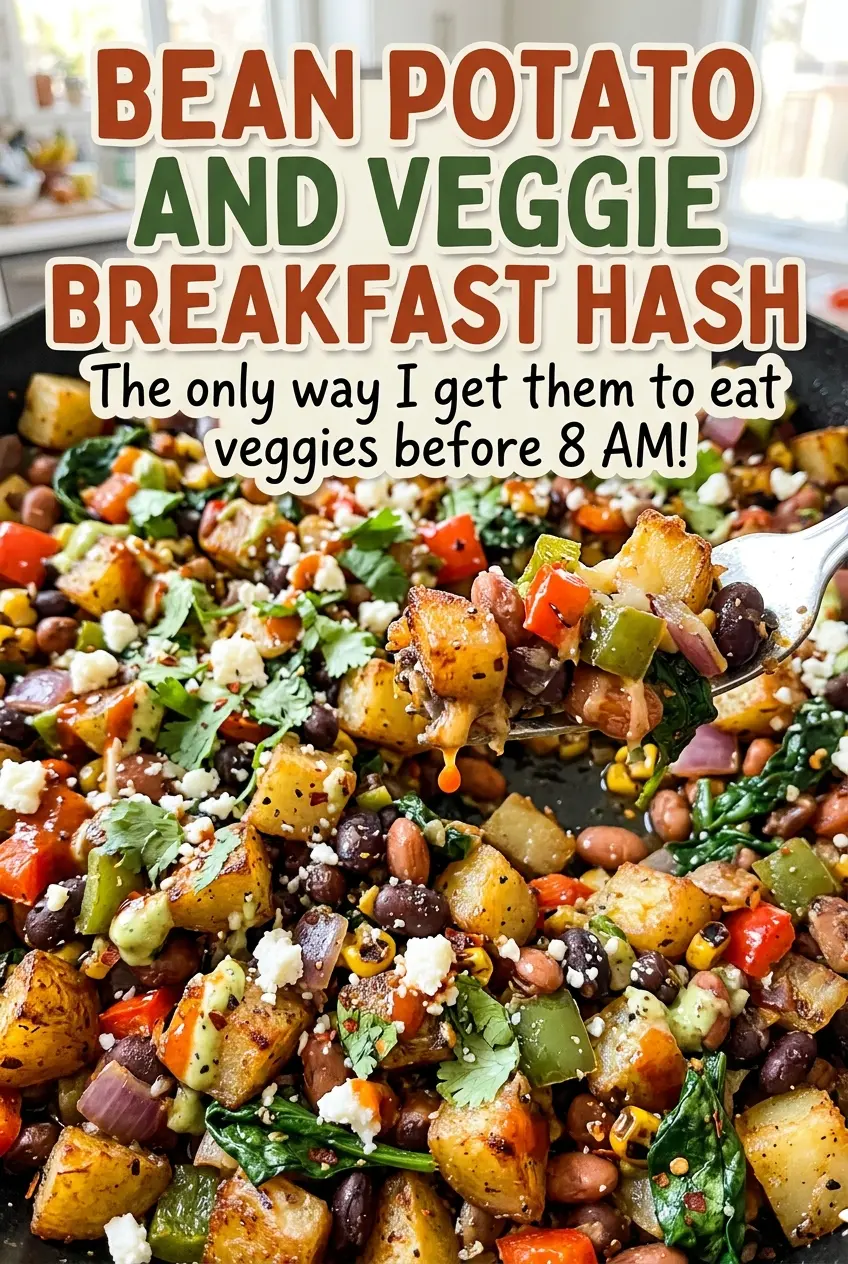
- Yukon Gold potatoes — Their creamy centers and thin skins suit a hash that needs to stay tender inside while browning outside. Choose firm potatoes; red potatoes work as a substitute cut to the same size, though their centers stay a little firmer.
- Olive oil — It helps the potatoes brown and carries the seasoning across the vegetables. A standard everyday olive oil is a good fit; there’s no need to use an expensive finishing oil. Avocado oil can stand in without adding a pronounced flavor of its own.
- Yellow onion and red bell pepper — The onion turns sweet as it softens, while the pepper brings a gentle sweetness and a bit of color. Fresh, firm vegetables are worth choosing here because they’re cooked until lightly browned. White onion can replace yellow onion, and another sweet bell pepper color works in place of red.
- Zucchini — It softens quickly and makes the hash feel more vegetable-forward. Pick a small, firm one; yellow summer squash can replace it without changing the basic cooking approach.
- Pinto beans — Canned beans add a creamy, hearty bite and are ready to heat once drained and rinsed. Store-brand beans work well. Cannellini beans are a mild substitute if you want a softer, more delicate bean in the finished skillet.
- Smoked paprika — This is where the hash gets its warm, smoky note without needing a long cook. Spices with a clear aroma when you open the jar give the best result; stale paprika tastes flat against the potatoes and beans.
Build the Hash in Four Stages, Without Losing the Potato Browning
Steam the potatoes until fork-tender
Heat one tablespoon of olive oil in a 12-inch skillet over medium heat, then add the diced potatoes and water. Cover and cook for 8–10 minutes, stirring once midway through. A fork should slide into the potato without much resistance, but the pieces should still hold their shape. If they’re not tender yet, give them more time before moving on rather than trying to brown firm centers.
Let the water evaporate, then brown the cubes
Uncover the skillet and raise the heat to medium-high. Cook the potatoes for 5–8 minutes, turning them occasionally, until the water is gone and you see browned patches on several sides. Don’t move them constantly; a little contact with the hot skillet is what gives them color. Transfer them to a plate once they’re browned.
Soften the vegetables in the same skillet
Add the remaining tablespoon of olive oil, followed by the diced onion, bell pepper, and zucchini. Cook over medium heat for 5–7 minutes, stirring occasionally, until the vegetables have softened and picked up light browning. Keep the heat moderate so the onion has time to soften rather than scorching at the edges. The zucchini should be tender but not collapsed.
Warm the beans and bring everything together
Stir in the minced garlic, drained and rinsed pinto beans, kosher salt, smoked paprika, cumin, and black pepper. Cook for 2–3 minutes, stirring, until the beans are hot and the garlic smells fragrant. Return the potatoes to the skillet and toss everything together for 1–2 minutes, just until heated through. Use a gentle toss so the tender potatoes keep their shape.
Three Practical Ways to Change the Hash
A milder, less smoky skillet
Use regular paprika in place of smoked paprika. You’ll keep the warm color and gentle pepper flavor, but the finished hash won’t have the same campfire-like edge.
Swap in black beans
Use a 15-ounce can of black beans in place of the pinto beans, draining and rinsing them before they go into the skillet. Black beans have a slightly firmer bite and a more pronounced earthy flavor, but warm through in the same short stage.
Make a lower-sodium version
Choose no-salt-added pinto beans and reduce or leave out the kosher salt, tasting the warm hash before deciding whether it needs more. The beans still bring their creamy texture, while the paprika, cumin, and pepper keep the skillet savory.
Storage and Reheating
- Refrigerator: Store cooled leftovers in a covered container for 3–4 days. The potatoes soften as they sit, so they won’t be quite as crisp the next day.
- Freezer: Freeze in airtight portions for up to 2 months for the best texture. Thaw overnight in the refrigerator; the potatoes and zucchini will be softer after thawing.
- Reheating: Warm a portion in the microwave, stirring partway through, until it reaches 165°F. Avoid overheating it, which can make the potatoes break down and the zucchini mushy.
Questions That Come Up When Making Breakfast Hash
Bean Potato and Veggie Breakfast Hash
Ingredients
Equipment
Method
- Heat 1 tablespoon of the olive oil in a 12-inch skillet over medium heat, then add the potatoes and water.
- Cover and cook for 8–10 minutes, stirring once midway, until the potatoes are fork-tender.
- Uncover the skillet and cook the potatoes over medium-high heat for 5–8 minutes, turning occasionally, until the water has evaporated and the potatoes are browned.
- Transfer the potatoes to a plate.
- Add the remaining 1 tablespoon olive oil to the skillet, then add the onion, bell pepper, and zucchini.
- Cook over medium heat for 5–7 minutes, stirring occasionally, until softened and lightly browned.
- Stir in the garlic, beans, salt, smoked paprika, cumin, and black pepper.
- Cook for 2–3 minutes, stirring, until the beans are hot.
- Return the potatoes to the skillet and toss everything together.
- Cook for 1–2 minutes until heated through.