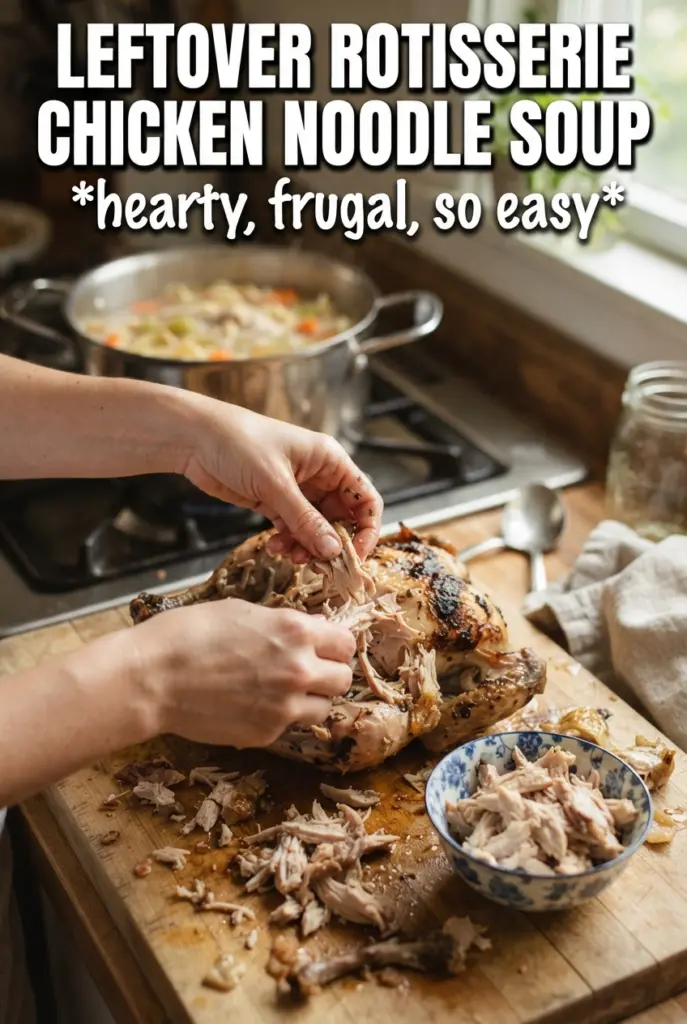

Leftover rotisserie chicken noodle soup turns a handful of fridge odds and ends into a bowl that tastes like someone paid attention. The broth stays light but still tastes round and savory, the noodles soften just enough to catch the broth, and the shredded chicken warms through without drying out. It’s the kind of soup that solves dinner without tasting like a shortcut.
The trick is building a quick base with onion, carrot, and celery before the broth goes in. That first little sauté gives the soup more depth than dumping everything into the pot at once, and it’s worth the extra few minutes. Lemon at the end keeps the broth from tasting flat, especially when you’re using already-cooked chicken.
Below, I’ve included the timing that keeps the noodles tender instead of bloated, plus the one adjustment I’d use if your rotisserie chicken is especially salty.
The broth was light but still tasted rich, and the lemon at the end made the whole pot taste fresh instead of heavy. I loved that the noodles stayed tender without turning mushy, even after I reheated a bowl the next day.
Save this rotisserie chicken noodle soup for the nights when you want a fast, brothy dinner with tender noodles and a bright lemon finish.
The Short Sauté That Gives Rotisserie Chicken Soup Real Body
When people rush soup, they usually miss the part that makes it taste homemade: the vegetables need a few minutes in the pot before the broth goes in. Onion, carrot, and celery soften and release their sweetness, and that gives the broth something to lean on. If you skip that step, the soup still works, but it tastes thinner and more one-note.
The other common mistake is simmering the chicken too long. Rotisserie chicken is already cooked, so it only needs enough time to heat through and soak up some broth. Long simmering can pull it apart into dry little shreds, especially if the meat came from the breast. Add it near the end and keep the heat gentle.
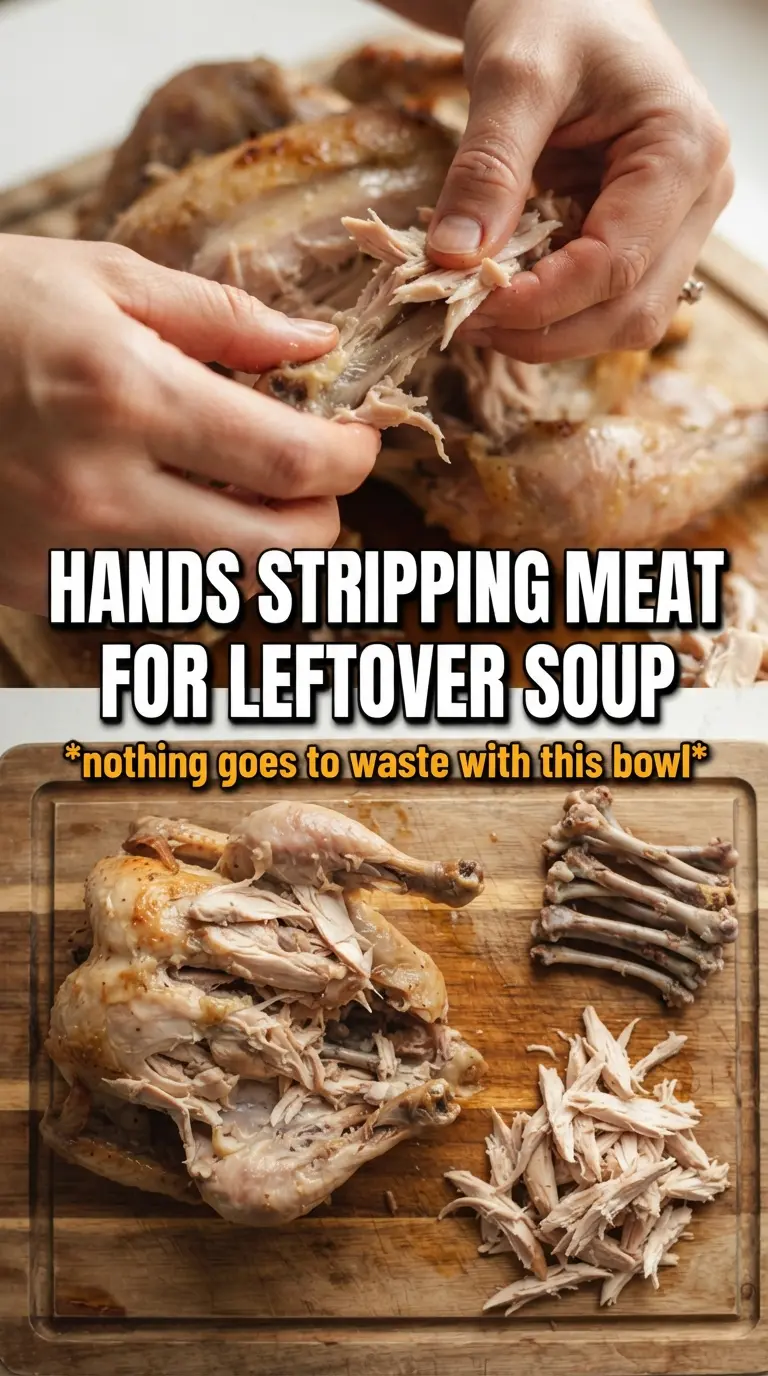
- Rotisserie chicken — Dark and white meat both work, but a mix gives the best texture. Pull it into bite-size pieces rather than chopping it so the chicken stays tender in the bowl.
- Chicken broth — Use a broth you’d actually drink. If your rotisserie chicken was heavily seasoned, start with low-sodium broth so the soup doesn’t tip salty after the chicken goes in.
- Lemon juice — This is what wakes up the broth at the end. Fresh lemon matters here; bottled juice can taste flat and slightly bitter in a light soup like this.
- Egg noodles — Regular egg noodles cook fast and give the soup that classic diner-style feel. If you use a thicker noodle, give it a little more time, but don’t let it sit in the pot too long or it’ll keep swelling.
What Each Ingredient Is Actually Doing in This Recipe
- Primary ingredient (the star) — Quality matters most. Choose the best you can find.
- Cooking medium (oil, butter, or broth) — This carries flavors and prevents dryness.
- Seasonings (salt, pepper, spices, herbs) — Layer flavors so nothing overpowers. Build depth gradually.
- Aromatics (garlic, onion, herbs) — Cook with fat to bloom flavors. Become the foundation.
- Supporting ingredients — Complement the main ingredient without overpowering it.
- Sauce or liquid (if applicable) — Brings flavors together. Balance richness with acid.
- Acid (lemon, vinegar, wine, or other) — Brightens and prevents flat-tasting results.
- Final finish (garnish, glaze, or sauce) — Prevents one-dimensional taste and adds visual appeal.
Building the Broth So the Noodles Stay Tender
Softening the vegetables first
Melt the butter or warm the oil, then cook the onion, carrots, and celery until the onion turns translucent and the carrots start to lose their raw edge. You’re not trying to brown anything; you’re laying down a savory base. If the pot starts to look dry before the vegetables soften, lower the heat rather than adding more fat.
Adding garlic without burning it
Garlic only needs about a minute. Stir it until it smells fragrant, then move on to the broth right away. Burnt garlic turns sharp and bitter fast, and there’s no fixing that once it happens.
Cooking the noodles to the right point
Bring the broth to a boil before adding the egg noodles, then cook them until they’re almost tender. They should still have the faintest bite when you add the chicken, because they’ll keep softening in the hot broth. If you let them go fully tender before the chicken goes in, they’ll end up bloated by the time dinner hits the table.
Finishing with chicken and lemon
Stir in the shredded rotisserie chicken and let it warm through for just a few minutes. Turn off the heat, then add lemon juice and season with salt and pepper. That order matters: acid added too early can fade, and seasoning at the end helps you judge how much salt the broth actually needs after the chicken has warmed through.
Three Smart Ways to Adapt This Soup
Use gluten-free noodles without changing the broth
Swap in a gluten-free egg noodle or a small rice noodle, but cook it separately if it tends to get soft fast. Gluten-free noodles can cloud the broth less predictably and sometimes fall apart if they stay in the pot too long, so keeping them separate gives you a cleaner texture.
Make it dairy-free with olive oil
Use olive oil instead of butter. You’ll lose a little of the round, buttery finish, but the soup still tastes balanced because the broth, chicken, and lemon carry the flavor.
Stretch it with extra vegetables
Add peas, corn, or a handful of baby spinach near the end if you want a fuller bowl. Spinach wilts in minutes, while peas and corn add sweetness that plays nicely with the lemon and thyme.
Skip the noodles for a lighter bowl
Leave out the egg noodles and serve the soup as a chicken and vegetable broth instead. It won’t be as filling, but the broth tastes brighter and it reheats better because there’s no pasta soaking up liquid in the fridge.
Storage and Reheating
- Refrigerator: Store for up to 4 days. The noodles will keep absorbing broth, so expect the soup to thicken a bit as it sits.
- Freezer: Freeze the broth and chicken without the noodles for the best texture. Cook fresh noodles when you reheat, since frozen noodles usually turn soft and grainy.
- Reheating: Warm gently on the stovetop over medium-low heat until steaming. If the soup looks too thick, add a splash of broth or water before serving; boiling it hard can make the chicken tough and the noodles overcooked.
Answers to the Questions Worth Asking
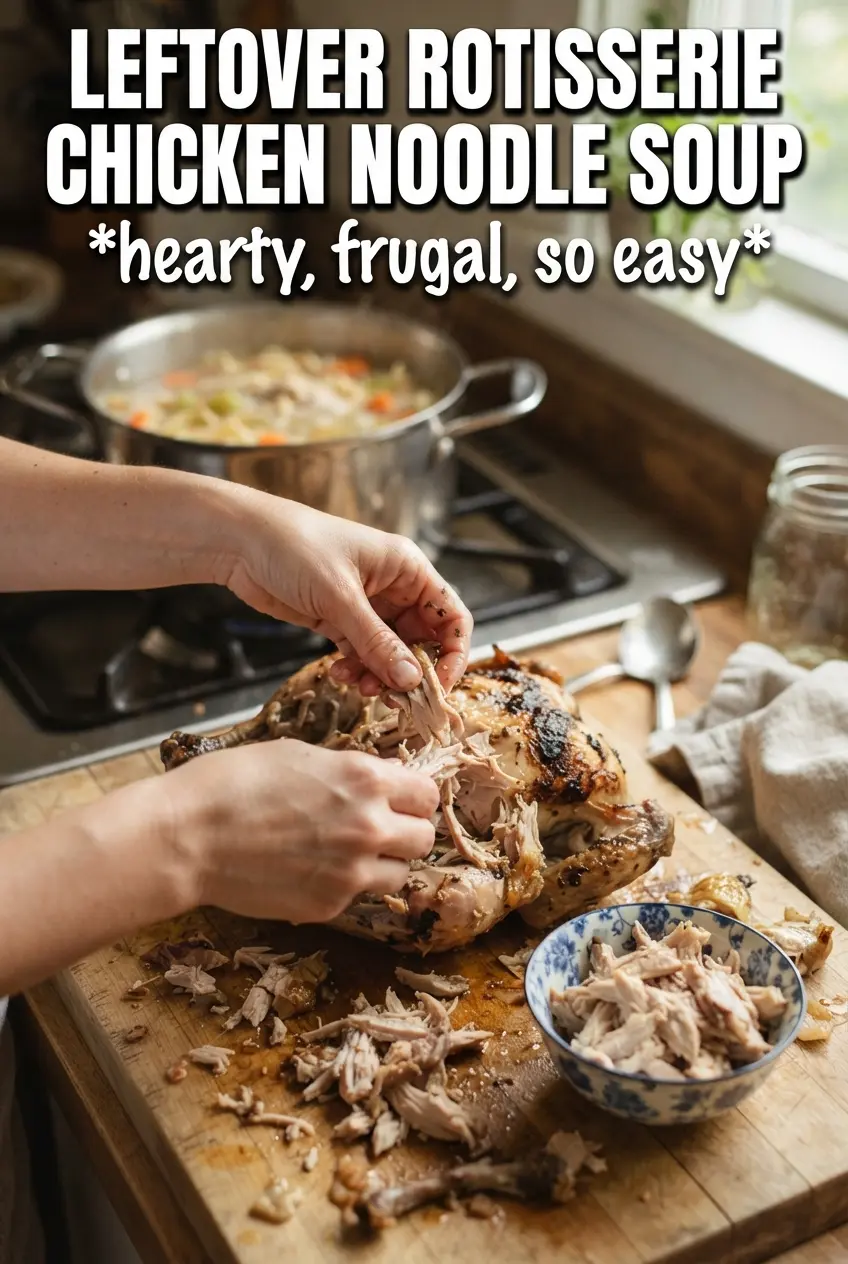
Leftover Rotisserie Chicken Noodle Soup
Ingredients
Equipment
Method
- Melt butter in a large pot and sauté onion, carrots, and celery over medium heat for 4-5 minutes, stirring until the vegetables soften and the onion looks translucent.
- Add garlic and cook for 1 minute until fragrant, then pour in chicken broth and stir in thyme, dried parsley, and garlic powder.
- Bring the pot to a boil, add egg noodles, and cook for 5-6 minutes until almost tender, stirring occasionally so the noodles don’t stick.
- Add leftover rotisserie chicken and simmer for 3-4 minutes until heated through and warmed all the way.
- Squeeze in the lemon juice and season with salt and pepper to taste, then stir well to brighten the broth.
- Garnish with fresh parsley and serve immediately while the noodles are still tender.