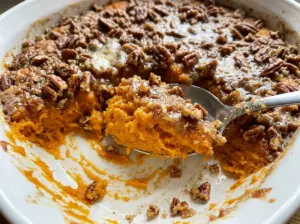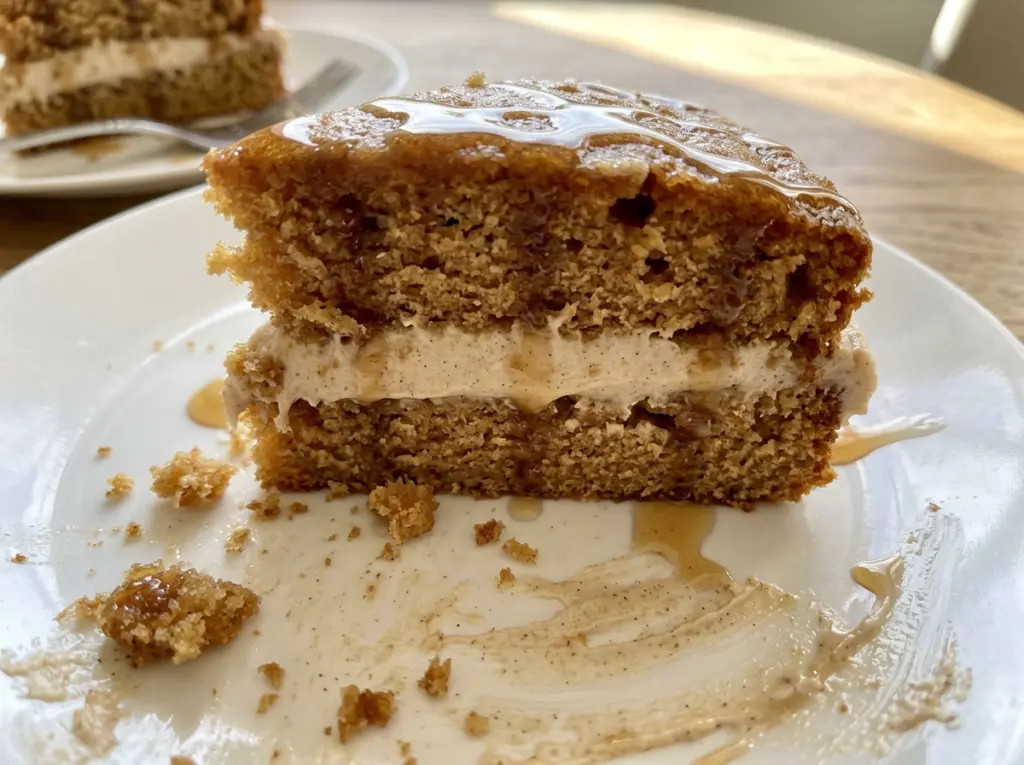

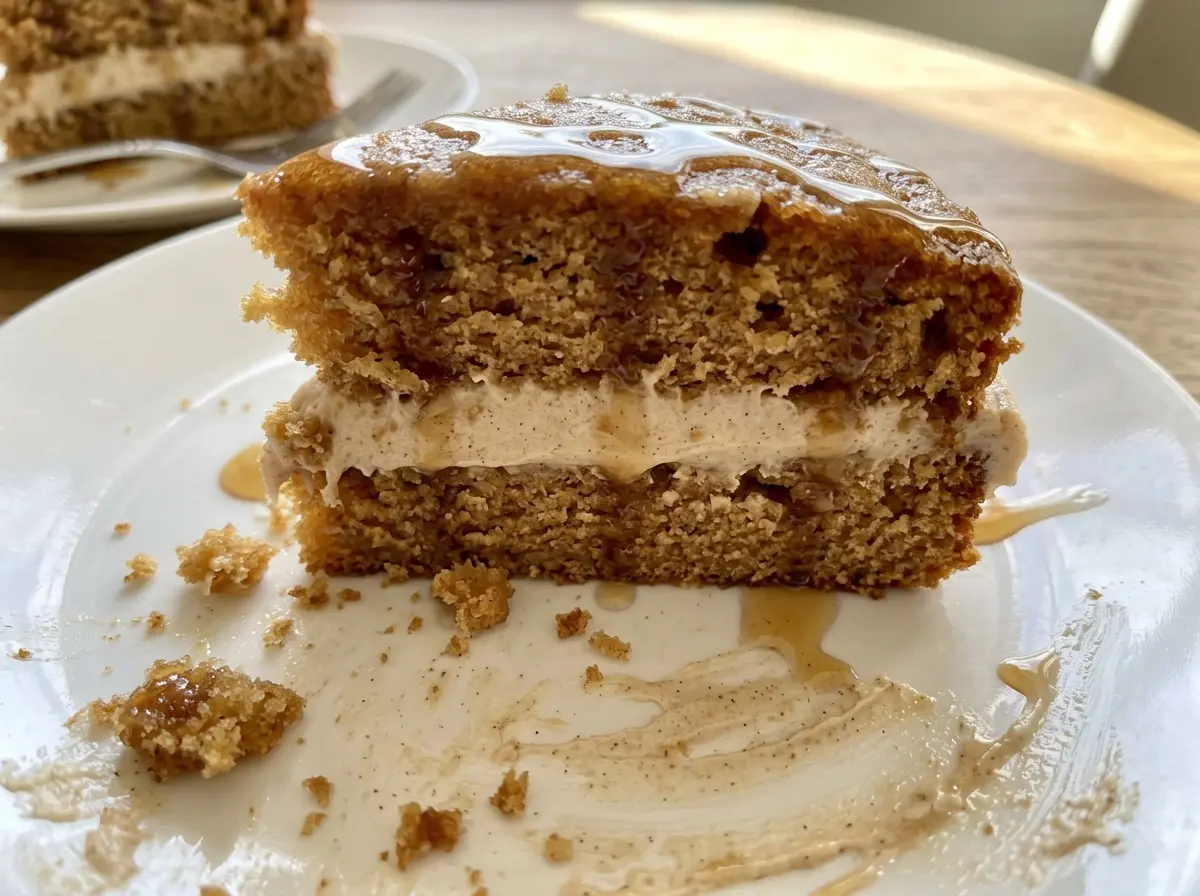
Once the cake is cool, the cinnamon maple buttercream spreads in a smooth layer across the top, ready to be cut into neat squares. Underneath, the crumb is soft and warmly spiced, with apple cider in every bite. I make this apple cider cake when I want a simple 9×13-inch dessert that feels a little special without needing layers or a fussy finish.
Butter and sugar get beaten until fluffy, while a little neutral oil helps keep the cake tender. The buttercream is just as home-kitchen friendly: cinnamon gives it a gentle spice, and pure maple syrup brings a rounded sweetness that pairs naturally with the cider. Let the cake cool all the way before frosting, and you’ll have a soft cake with a creamy, easy-to-spread finish.
Kitchen Note
Cold eggs can make creamed butter look lumpy when they go in. I bring the eggs to room temperature and add them one at a time, so the mixture stays smooth before the flour and cider are added.
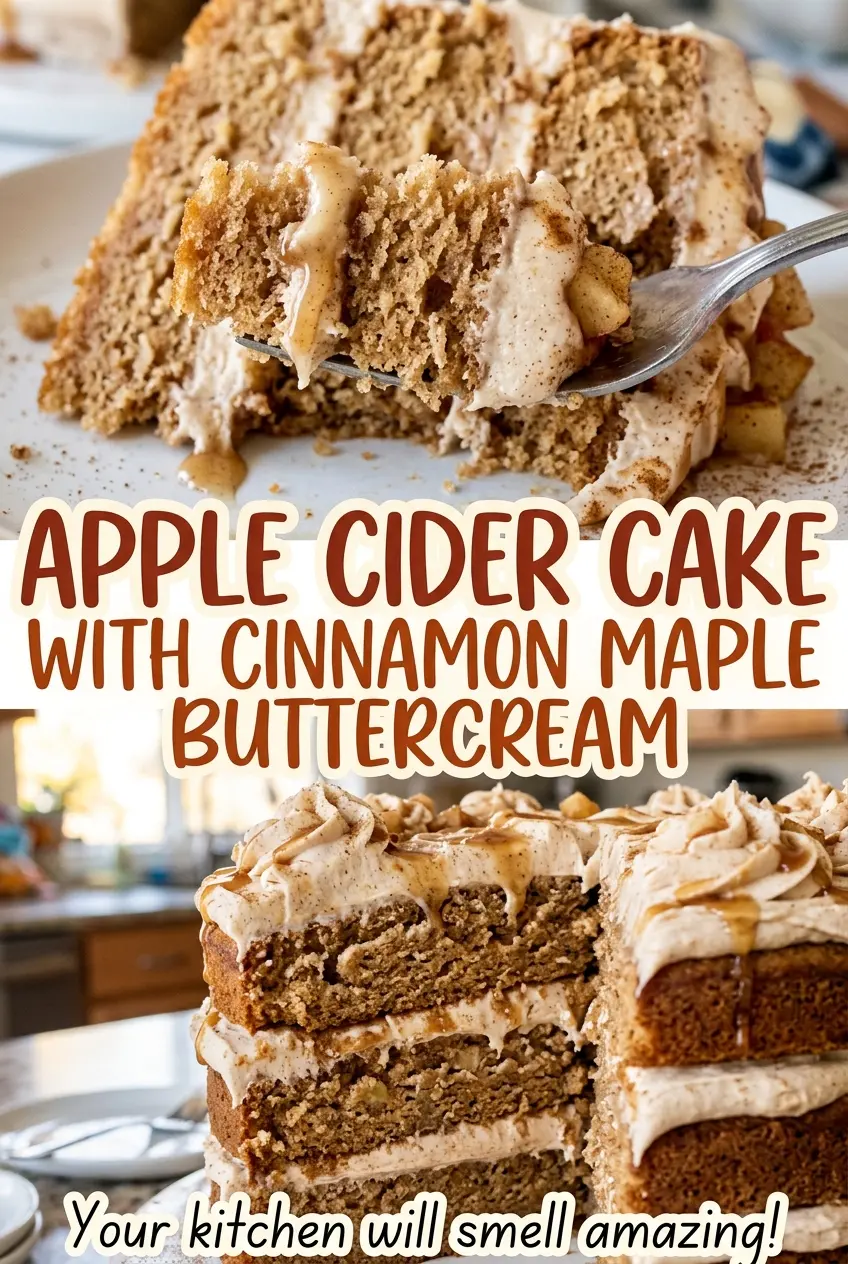
Save this apple cider cake with cinnamon maple buttercream for its tender spiced crumb and creamy maple-cinnamon frosting.
Why the Cider Needs to Reduce Before It Goes Into the Cake
Two cups of cider would add too much liquid to this batter. Simmering it down to one cup concentrates its apple flavor while keeping the cake’s wet-to-dry balance in check. That matters here because the cider is the main source of apple character; the cinnamon and nutmeg bring warmth, but they can’t make up for cider that’s too diluted.
Keep the cider at a simmer rather than rushing it at a hard boil. A steady simmer gives it time to reduce without demanding much attention, and measuring the finished amount is more dependable than guessing from how it looks in the pan. If the reduction is short of one cup, the apple flavor will be less concentrated; if you pour in the full starting amount, the extra liquid can leave the crumb heavier than intended. Let the reduced cider cool completely before mixing it into the batter.
That concentrated cup does two jobs: it carries a clear cider note through the cake and gives the batter the liquid it needs without watering down the flavor. It’s a small saucepan step that makes a noticeable difference in the finished squares.
The Ingredients That Keep This Cake Tender and Cider-Forward
- Apple cider — Use cider with a clear apple aroma, since reducing it intensifies what is already there. A basic grocery-store cider works; there’s no need to seek out a specialty bottle. The reduction needs to cool completely before it goes into the batter.
- All-purpose flour and the leaveners — All-purpose flour gives this 9×13-inch cake a sturdy but tender crumb. Baking powder and baking soda work alongside it for lift, so measure them carefully and whisk them through the flour to distribute them evenly.
- Butter and neutral oil — Unsalted butter gives the cake its rich flavor and creams with the sugars, while neutral oil helps the crumb stay soft. Canola oil is a good fit because it won’t compete with the cider and spices. Use softened butter, not melted butter, for the creaming step.
- Granulated and light brown sugar — The two sugars bring more than sweetness: granulated sugar helps the butter mixture become light, while packed brown sugar contributes moisture and a subtle molasses note. Keep the brown sugar packed when measuring.
- Cinnamon and nutmeg — Cinnamon leads in both the cake and frosting, while nutmeg gives the cake a quieter, earthy warmth. Fresh, fragrant spices make a difference in a recipe where the spice is easy to notice; old, faded jars won’t bring the same aroma.
- Pure maple syrup and powdered sugar — Powdered sugar makes a smooth buttercream, and pure maple syrup provides its maple note. Pancake syrup doesn’t have the same flavor, so use pure maple syrup if you want the frosting to taste rounded rather than simply sweet.
- Heavy cream — A small amount loosens the buttercream so it spreads over the cooled cake. Add it with the maple syrup and vanilla, rather than pouring it into the butter before the sugar has been incorporated.
From a Smooth Batter to Fluffy Maple-Cinnamon Frosting
Reduce and Cool the Cider
Bring the cider to a simmer in a small saucepan over medium heat, then let it simmer until it measures one cup, about 15–20 minutes. Transfer it to a heatproof measuring cup so it can cool completely before you mix the cake. Don’t add warm cider to the batter; it can soften the creamed butter. This cooling time is a good chance to prepare the dry ingredients and pan.
Cream the Butter and Build the Batter
Heat the oven to 350°F and grease a 9×13-inch baking pan. Whisk the flour, baking powder, baking soda, salt, cinnamon, and nutmeg together in a medium bowl. In a large bowl, beat the softened butter with both sugars on medium speed for about 3 minutes, until light and fluffy; beat in the eggs one at a time, then the oil and vanilla. Scrape the bowl if butter or sugar is clinging to the sides, so it gets mixed into the batter.
Alternate the Dry Mixture and Cider
With the mixer on low, add the flour mixture in three additions and the cooled cider in two additions. Begin and end with the flour mixture, alternating the two rather than pouring in all the cider at once. Stop as soon as the flour disappears. Mixing longer than needed after the flour goes in can make the cake less tender.
Bake Until the Center Gives a Few Crumbs
Spread the batter evenly in the greased pan so it bakes at a consistent thickness. Bake at 350°F for 32–38 minutes, checking the center with a toothpick near the earlier end of that range. The cake is ready when the toothpick comes out with a few moist crumbs, not wet batter. Cool the cake completely in the pan before you start the frosting.
Beat and Spread the Buttercream
Beat the softened butter in a large bowl on medium-high for about 2 minutes, until creamy. Add the powdered sugar, cinnamon, and salt in batches on low speed, then add the maple syrup, vanilla, and heavy cream. Beat on medium-high for about 2 minutes, until the buttercream is fluffy. Spread it over the fully cooled cake; frosting a warm cake can make the buttercream slide and soften.
Two Simple Ways to Adapt the Spice and Flour
Make the Cake More Cinnamon-Forward
Leave the nutmeg out and keep the cinnamon in the cake as listed. The result is a simpler, more direct cinnamon flavor with less of nutmeg’s earthy warmth; the cinnamon in the buttercream stays unchanged.
Use a Gluten-Free Baking Blend
For a gluten-free version, replace the all-purpose flour with an equal volume of a cup-for-cup gluten-free baking blend that contains xanthan gum. The crumb may be more delicate than the wheat-flour cake, so let it cool fully in the pan before frosting or cutting.
Storage and Reheating
- Refrigerator: Cover the frosted cake and refrigerate for up to 4 days. The buttercream firms up when chilled, and the cake feels less tender straight from the refrigerator.
- Freezer: Freeze individual slices until firm, then wrap them well and freeze for up to 2 months. Thaw wrapped slices in the refrigerator.
- Reheating: Don’t microwave the frosted cake; the buttercream can melt before the cake warms evenly. Let chilled slices sit at room temperature for about 30 minutes before serving so the frosting softens.
Questions That Come Up While Baking This Cider Cake
Apple Cider Cake with Cinnamon Maple Buttercream
Ingredients
Equipment
Method
- Bring the apple cider to a simmer in a small saucepan over medium heat.
- Simmer until reduced to 1 cup, about 15–20 minutes; transfer to a heatproof measuring cup and cool completely.
- Heat the oven to 350°F and grease a 9x13-inch baking pan.
- Whisk the flour, baking powder, baking soda, kosher salt, ground cinnamon, and ground nutmeg in a medium bowl.
- Beat the softened butter, granulated sugar, and packed light brown sugar in a large bowl with an electric mixer on medium speed until light and fluffy, about 3 minutes.
- Beat in the eggs one at a time, then beat in the neutral oil and vanilla extract.
- On low speed, add the flour mixture in three additions, alternating with the cooled cider in two additions; begin and end with the flour mixture and mix just until combined.
- Spread the batter evenly in the prepared pan.
- Bake at 350°F for 32–38 minutes, until a toothpick inserted in the center comes out with a few moist crumbs.
- Cool completely in the pan.
- Beat the softened butter in a large bowl on medium-high speed until creamy, about 2 minutes.
- Add the powdered sugar, ground cinnamon, and kosher salt in batches, mixing on low until combined.
- Beat in the pure maple syrup, vanilla extract, and heavy cream on medium-high until fluffy, about 2 minutes.
- Spread the buttercream over the completely cooled cake.